
Návrat k zlatému štandardu


golddd

Prečo sa nevrátime k zlatu?

Geopolitická  politická a ekonomická štruktúra  sa mení.  Menia sa aj záujmy investorov. Z jednoduchého dôvodu. Ekonomický vývoj je čoraz menej predvídateľný. V budúcnosti nebude zaujímavé len investovanie do cenných papierov, ale aj do iných nástrojov. Veľkú úlohu budú mať v tejto oblasti suroviny a spomedzi nich najväčšiu bude mať zlato.

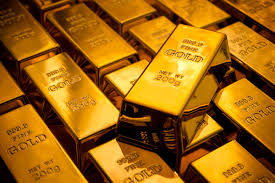
Zlato sa ako platidlo používa odnedávna. Diskusie o úlohe zlata sa objavili najmä v rokoch 2008 – 2009 keď prepukla svetová finančná kríza. Niektorí ekonómovia tvrdia, že svet by sa mal vrátiť k zlatému štandardu. To znamená, že všetky bankovky na svete by mali byť kryté vzácnym žltým kovom. Peniaze by sme mohli vymieňať za zlato a naopak. Zlato sa používa v niektorých priemyselných odvetviach ako je letecký priemysel a medicínska technika, šperky a podobne. Zlato má však najväčší význam v oblasti svetových financií.  Znižuje infláciu a zabezpečuje stabilitu meny.  Práve preto ho nakupujú centrálne banky, ktoré do neho ukladajú svoje rezervy.

Kanadská komerčná banka Scotia bank hovorí vo svojej analýze o vplyve rôznych faktorov na cenu zlata. Sú tri: obavy z gréckej dlhovej krízy, pokles investícií na čínskom kapitálovom trhu o takmer tretinu, a očakávaný návrat iránskej ropy na svetový trh. Cena zlata bola začiatkom augusta 1089 amerických dolárov (USD) za uncu (31,1 gramu). Celková hodnota zásob zlata vo svete je 6,35 biliónov USD.  Podiel zlata na celkových devízových rezervách jednotlivých krajín sa odlišuje: USA (74%), Nemecko (68%), Taliansko (67%), Francúzsko (65%), Rusko (13%).

Ak porastú v budúcnosti ceny zlata, klesnú ceny tovarov. Ak by sa tak nestalo bola by deflácia. Ak by sa krajiny raz rozhodli, že sa vrátia k zlatému štandardu, stúpol by záujem o zlato, čo by tiež viedlo k znižovaniu cien. To vedie k jednoduchej otázke.  V minulosti bol zlatý štandard ochranným dáždnikom pre kapitálové toky vo svete.

Prečo sa krajiny nevrátia k zlatému štandardu? Dnes je to hlavne preto, lebo celý finančný systém je postavený na dominancii papierových peňazí a zlato je už len doplnkom daného systému. Pri prechode na zlatý štandard je veľmi nepravdepodobné, že by krajiny mali k dispozícii toľko zlata, aby sa vyrovnali hodnote papierových peňazí.  Prečo svetové ekonomiky ustúpili od zlatého štandardu? Ekonomické a finančné krízy oslabili jeho postavenie. Pre ich riešenie vlády najradšej používali a používajú tlačenie papierových peňazí. Napriek tomu po zlate je dopyt aj dnes. Spomedzi najväčších producentov zlata na svete patrí juhoafrická firma Harmony Gold Mining, ktorá vyťažila minulý rok 1,17 milióna uncí.

História zlata ako investičného nástroja sa píše od čias starobylého Grécka a Ríma. Zlato sa vymieňalo za koreniny z Indie a hodváb z Číny.  Aj v budúcnosti môže zlato hrať úlohu uchovávateľa hodnôt.  Taktiež sa vnára otázka, čo by mohlo zvýšiť záujem o zlato do budúcnosti? Jednoduchá odpoveď, monetarizácia zlata, teda okamžitej výmeny zlata za peniaze. Môže sa stať, že dlžníci z rozvinutých krajín skúpia väčšie množstvo zlata, pretože sa boja nekrytých peňazí, potom ich dlh bude znehodnotený, tým pádom ceny zlata porastú. Každý investor by mal mať vo svojom portfóliu zahrnuté investície do komodít (surovín). Inak povedané, koncept peňazí, teda zlata a striebra v štandardnej hmotnosti a mince, umožnili svetovým ekonomikám rozšíriť a prosperovať.  Nevieme či to bude aj v budúcnosti, dnes sa na zlato pozeráme najmä na jeho podobu vo forme šperkov a náhradu zúbkov.

 (C) All Rights Reserved
Analysis of Oil and Gold


download

Table of Content

Introduction. 3

1     Oil 3

1.1      The Case study of India. 4

1.2      Motivation for energy efficiency. 6

1.3      Effects of the energy price. 7

2     Gold. 8

2.1      Great Depression. 8

2.2      Report from Scotia Bank. 10

2.3      Jewellery demand. 11

2.4      China and India. 12

2.5      Gold Standard Valuation. 13

2.6      Kitco Metal´s View.. 15

Conclusion. 15

References. 16

Introduction

To begin with, many developing countries are competing with western economies in their consumption of crude oil. China, India and other emerging countries are at the forefront of this consumption because of which ‘demand’ is a major factor. Although major changes in technology are bringing new renewable and alternative sources of energy, switching from oil to these is restricted in the short-term.

1         Oil

A more recent study by the IMF (2013) sets the overall direct subsidy level at about $400 billion, of which about $270 billion are to oil and natural gas. More than 95% of global subsidized fossil-fuel consumption was in these years concentrated to 37 countries of which 35 were outside of the OECD area.

Although the current upward swing in energy prices has not so far been categorised as, as severe as that of the 1970s, however, it has been enough to renew the interest in predicting the macroeconomic consequences of energy shocks and how recessive the current developments in the world oil markets can be.

Tripathi, S (2014, p. 2) illustrated that from a macroeconomic perspective, households, government, firms (corporations) and central bank are the 4 fundamental players of money and resources. The flowchart diagram as you can see on the Figure 1 above illustrates how they interact and exchange resources. This chart also shows how oil imports get absorbed in different segments, explaining the channels through which oil shocks can affect an economy.

1.1      The Case study of India

Tripathi, S (2014, p. 9-11) examined the impact of an increase in international oil prices on Indian economy outlining the various transmission mechanisms. The three broad channels through which the international oil prices impact the macroeconomy are identified as the (1) import channel, (2) price channel and (3) the fiscal channel.

First,  a rise in international price of oil, for the net oil importing countries like India, will translate in to higher import bill for oil. At the same time incomplete pass through of international crude prices to domestic oil prices further lowers the already low substitution elasticity for oil products. Periodic rupee depreciation further raises the rupee value of imports. This slow release through the system, given dysfunctional administered price regimes, keeps inflation high also leading to fall in growth. As incomes fall, especially firm profits, so do savings. The current account deficit must equal investment minus saving by definition. Investment falls in slowdowns, but if savings falls even more, the CAD widens. Financial savings finance investment that requires traded goods imports. So a fall in financial savings may widen the trade and current account deficit more. The current account then becomes the source of disseminating shock in the economy. The import channel is indicated by the link from international oil prices to current account balance to nominal GDP.

Second,  the price channel links the international prices to domestic inflation. For a typical developing country like India facing an oil price hike in the international market, an unhindered pass-through of oil price increase leads to a jump in the general price level on account of direct use of oil at higher prices plus increase in costs of production of final goods using oil as an input.

In India according from view of Tripathi, S., the objectives for regulation of price of oil have been three-fold: (1) to protect the domestic economy from volatility in international oil prices; (2) to provide merit goods to all households, e.g. clean cooking fuels like LPG, natural gas and kerosene and (3) to protect poor consumers so that they may obtain kerosene (through PDS) and LPG at affordable rates. The domestic price of oil is administered, which is essentially a policy decision,and thereby determines the degree of pass-through of the change in international prices to domestic oil prices. In Figure 3, the price channel is indicated by the link from international oil prices to increase in administered prices to WPI inflation.

Third,  channel of transmission of oil price shock considered here is the fiscal channel. In the absence of a complete pass-through, an international oil price increase will raise the subsidy on oil and therefore the revenue expenditure of the government. Furthermore, in India, the oil prices are subsidized, but they also generate substantial tax revenues both for the center and the states.

Tripathi, S.  (2014) also developed in his paper a new-Keynesian model, with imported oil used both in production and consumption. In other words, five different hypotheses for these effects were tested (a) smaller share of oil in production, (b) more flexible labour markets, (c) improvements in monetary policy, (d) Technology Catch-up (e)Government Intervention. His conclusions was that all the five played an important role.

1.2      Motivation for energy efficiency

Most consumers pursue according to the Rosehart, W. D., Zareipourp, H. (2014, p. 7) energy efficiency to save money, reduce the cost of goods sold, or reduce emissions to improve air quality and the environment. In addition to these goals, policymakers use energy efficiency to enable a wide range of desirable social, engineering, and economic goals, normally focused around long-term resource adequacy. Energy efficiency is also often seen as an alternative tool to address long-term energy-demand concerns, compared to building new infrastructure.

Many energy efficiency programs primarily target the end use of the electrical energy sector, since improvements in the production or use of electricity can yield up to three times as much resource savings when compared to increased efficiency in use of other energy forms. In the electric energy sector, efforts to install and integrate demand-side management measures such as smart meters, pricing incentives, new regulations, and new technology deployment offer the potential to reduce system costs and pass on savings to consumers. Furthermore, energy efficiency initiatives can positively reinforce other public programs, such as improving air quality for urban areas, improving personal health, and improving overall competitiveness for employment and export opportunities.

1.3      Effects of the energy price

In his paper Moshiri, S. (2013, p. 16), address the potential effects of the energy price reform as one of the important policy challenges in the energy market and the economy of Iran. Unlike other studies which have focused on one energy type or a specific area, he takes a more comprehensive approach by estimating household energy demand for three main energy types (electricity, natural gas, and gasoline) in urban and rural areas in different income groups .Overall, the results predict that rural households will cut their energy consumption relatively more than urban households if prices of natural gas and gasoline rise. However, the reaction will be stronger in urban areas if electricity price increases. In rural areas, the higher income households will respond more strongly than lower-income groups as prices rise, but in urban areas, the opposite will be true. An interesting observation about the urban low-income families is that their income level and energy consumption as well as their price elasticities of demand is lower than that of the mid- and higherincome rural households. Therefore, it is expected that the urban poor will be affected more severely by an increase in energy prices than rural households with mid- and high-income levels.

His study provides important insights on the distribution and consumption effects of the energy price reform in Iran. They clearly indicate that the impact of the energy price reform will not be homogeneous across households calling for more careful policy packages according to different income groups and regions. The overall low price elasticities of demand for energy, particularly among the households with higher level of energy consumption, also imply that the energy price reform will not have a dramatic impact on the energy consumption. Moreover, the higher income elasticity of energy demand among low- and mid-income groups indicates that any compensation package will likely more than cancel out the price effect on energy consumption.

The factors examined above influence market prices for crude oil fundamentally but there has been increasing role of speculation causing oil prices to rocket according to Kaufmann (2010). One obvious method of trading crude oil is physical but outside that, there are spot and futures markets. These markets are hotbeds for speculators who hoard large stockpiles of crude oil, reducing it supply and in turn create artificial demand. This means that mispricing by the spot and future markets can lead producer of crude oil to keep oil in the ground. But Hamilton (2009) disagrees and suggests that it is possible that supply cuts have been the ultimate cause of the price increases in the recent years instead of speculation. Regardless, it can be noted that speculation is a key factor in price movements as it occurs in markets that do not apply the laws of supply and demand naturally.

2         Gold

What is a gold? Short descriptions provided by Lubbers, E. is that gold is considered a financial asset, not an industrial commodity, like oil or copper. Therefore, the bulk of physical demand for gold comes from investment related items, such as golden jewelry, bars and coins. Viewed in this light, there is also a growing demand from central banks, mainly in emerging markets,  who look for ways to diversify their foreign currency holdings. A small amount of gold is used in industries, for example in  high-end electronics for the medical, space and aviation industries. Finally a shrinking amount of gold goes towards teeth.

2.1      Great Depression

How is the Great Depression explained today? Modern scholarship regards the Depression as an international phenomenon, rather than as something that affected different countries in isolation. The thread that bound countries together in the economic collapse was the gold standard. Barry Eichengreen’s 1992 book Golden Fetters is most commonly associated with the view that the gold standard was the key factor in the origins and transmission of the Great Depression around the world, although there have been many other contributions to this perspective. While debt and reparations from World War I made the international financial system fragile throughout the 1920s, the real problems began in mid-1928 when the United States and France began attracting large amounts of gold from the rest of the world. This deprived other central banks of the gold reserves that they needed to back the currency they issued, forcing them to tighten their monetary policies. Furthermore, the United States and France did not monetize the gold they received, thus failing to provide an expansion that could have offset the contraction elsewhere. These restrictive policies led to the onset of worldwide deflation starting in mid-1929.

Irwin, D. A., (2011, p. 5) describes that after the war, countries sought to reduce inflation and restore monetary stability, and thereby lay the groundwork for an eventually return to the gold standard. Yet Cassel foresaw a serious risk of deflation as countries moved back to the gold standard. When a country went back on the gold standard, it fixed the nominal price of gold in terms of its currency. If the demand for gold were then to increase, the fixed nominal price of gold would not be allowed to adjust. Rather than the price of gold increasing, the prices of all other goods would have to fall, meaning a general deflation in the price level.

Therefore, for the value of gold (and hence the overall price level) to be kept stable, the supply of gold had to be kept in line with the demand for gold. Cassel’s great fear was that, as countries rejoined the gold standard, central banks would increase their demand for reserves and that this increase in gold demand would outstrip the growth of gold supply, thereby producing deflation. Cassel believed that deflation would inevitably lead to a deep economic depression.

By the end of 1932, there was little point in Cassel belaboring his warnings about the excessive demand for gold on the part of central banks. After Britain led dozens of other countries off the gold standard in September 1931, gold no longer provided the basis for the international monetary system. Only the United States, France, and a few other European countries remained on the gold standard. The gold standard had been almost completely destroyed and there was little left for Cassel to do except try to clarify in the public’s mind what had happened and to squash any hopes of returning to the gold standard presented by Irwin, D. A., (2011, p. 26).

Hayek agreed with Cassel that the mismanagement of the gold standard was the source of the problems in the world economy in the late 1920s. But his analysis of what went wrong was fundamentally different. In Hayek’s view, the economic collapse starting in 1929 was the inevitable consequence of an inflationary boom due to cheap credit that arose because countries failed to adhere to the rules of the gold standard. Any attempt to ease the pain with further inflationary measures would simply make the downturn worse.

These global flows also affected local policy. Countries increasingly coordinated on the  gold standard to provide an umbrella of stability for capital flows and commodity trade. By  1880, the leading countries of the world had all given up silver or bimetallic systems while by 1900 the leading countries in Latin America and Asia had also joined the bandwagon (Meissner, 2005).

What conclusions can be drawn from this brief survey of financial crises during the classical gold standard period? First, crises were ubiquitous events in the period of globalization that preceded World War I. Could it be that globalization was a primary cause of these crises? Indeed there seems to be some evidence that capital inflows sowed the seeds of banking, currency and debt crises. These inflows then interacted with other weaknesses creating financial fragility or a heightened potential for a crisis. An alternative possibility is that high levels of credit growth fueled unsustainable asset booms raising the potential for crises. There seems to be very little strong evidence that between 1880 and 1913 credit or money growth was a good predictor of financial turmoil across countries in my sample presented by Meissner, C. M. (2013, p.15).

2.2      Report from Scotia Bank

According to the report from Scotia Bank (2013, p. 2) there are a lot of cross currents affecting the global economy but generally the status quo has been kept and problems that have emerged in the financial/monetary system have been temporarily sorted out before they have turned into crises. Examples being: the US fiscal cliff, the Cypriot debt, Italian elections and the US debt ceiling. As a result of this, institutional investors have regained confidence in the broader financial markets, whether it be peripheral European bonds, the euro, the dollar, or equities – to name a few. While the issues have been tackled, solutions have still not been found and the measures taken have tended to buy time, as has happened all the way through the crisis. One of the main developments in 2013 has been the focus on the ending of quantitative easing (QE).

In the minutes from the December 2012 FOMC meeting that were made public in January, there were some comments about the reining in of QE later in 2013. Whether the prospect of an end of QE sparked concerns that liquidity would be drained from the system and there would be less investment money around, or that the financial crisis was coming to an end and therefore there was a call for optimism, is uncertain. That said, with equities outperforming expectations this year there has been a high degree of optimism and the talk of tapering QE has tended to depress commodity prices, especially the precious metals.

So for now we view the global market as split between emerging markets and developed markets. In the latter, confidence is improving and with equities on the rise and periphery bonds looking less risky, the opportunity cost of holding Gold has risen to the extent that there is little fresh investment interest in the metal. However, the economic climate in emerging markets where individuals are concerned about inflation, governments about their exposure to fiat currencies and where there is a growing middle class with greater disposable income, Gold remains in demand. With hindsight it is not surprising that the marginal shift in supply and demand has resulted in a pullback in prices, but in turn lower prices have encouraged physical buying and that may well now rebalance the market and stabilise prices.

2.3      Jewellery demand

In 2012, jewellery demand dropped around four percent compared with 2011, but weaker prices so far in 2013 have led to a significant rebound in demand. In the first three quarters, jewellery demand has climbed 20% with most regions seeing an increase, the notable exceptions being Europe and South Korea where economic hardship has dented demand. Jewellery demand in India started the year on a strong note, but the combination of a significantly weaker currency and government intervention in the form of excise duties and import restrictions, in an effort to deter imports of Gold, have led to significantly higher Gold prices. For 2014, Scotia Bank expects jewellery demand growth to be nearer five percent, compared to the 20 percent seen so far this year.

2.4      China and India

According to the newspaper Times of India China has overtaken India as the world’s largest gold consumer. While Chinese consumers lapped up 1,066 tonnes of gold products in 2013, their Indian counterparts bought 975 tonnes, up 13% from 2012.

India’s demand came down to 974.8 tonnes following wide-scale curbs imposed by the government to tame hunger for the precious metal. Despite the massive increase in customs duty and many restrictions that the Centre put on jewellery imports, India consumed more gold than 2012, when it stood at 864 tonnes. In China, the total demand stood at 806.8 tonnes in 2012.

China’s gold consumption surpassed the 1,000-tonne mark in 2013 as domestic demand for jewelry and bars surged despite the lackluster global market. Consumption soared 41.36 percent year on year to 1,176.4 tonnes in 2013, nearly triple the amount of its total domestic gold production, according to data by China Gold Association (CGA). The figure is likely to mean that China will take the place of India as the world’s largest gold consumer, under the backdrop that shrinking gold prices and concerns that the Federal Reserve might withdraw its quantitative easing stimulus had dampened market sentiments last year.

The marked increase was mainly attributed to the country’s surging demand for gold jewelry and bars, which increased 42.52 percent and 56.57 percent year on year to 716.5 tonnes and 375.73 tonnes respectively. In the second quarter of 2013, the international gold price dropped to around 1,400 U.S. dollars per ounce from the 1,600-U.S. dollar level, prompting Chinese consumers to go on a shopping spree. China produced 428.16 tonnes of gold in 2013, up 6.23 percent year on year and making it the world’s largest producer for the seventh straight year, data from the association showed.

According to the data from World Gold Council´s report of February 2014 Gold demand of 3,756.1 tonnes in 2013 was worth US$170.4bn. Consumers generated exceptional levels of demand, with jewellery at its highest since the onset of the financial crisis in 2008 and investment in small bars and coins hitting a record high. This was in contrast to large-scale outflows from ETFs, due to a number tactical western investors liquidating their positions as US economic sentiment improved. Central banks made healthy purchases of 368.6 tonnes, the fourth consecutive year of positive demand. The net result was a 15% decline in overall gold demand from 2012.

2.5      Gold Standard Valuation

If we look at on an alternative valuation method for gold, is to look at the gold standard as it was defined in the Bretton Woods period. One can ask the hypothetical question, what if the total global money supply would be backed by the global gold reserve? Since the definition of the money supply is very broad,  Lubbers, E. will use the monetary base (MB), like in the Bretton Woods period. The MB is the coins and notes (circulating in public and in bank vaults) plus commercial banks reserve at the central banks. Than he divide the MB by the amount of ounces of gold in the reserve at the central bank.

The last period that the US Dollar was backed by gold was in the Bretton Woods period, between 1944 and 1971. Holders of US Dollars could demand gold at the rate of $35 per ounce. Unfortunately, this option not available to citizens, only foreign central banks, which demanded an ever increasing amount of gold from the US. Between 1945 to 1971, not only demand for the USD as an asset by foreign central banks soared but so did demand to convert USD to physical gold. Soon, the rapid conversion of USD to gold by foreign central banks made the US gold reserve dwindle from 20,000t tonnes to 8,133 tonnes, for more details see Appendix B.

Keith W., (2014) is interested in the changing equilibrium created when some market participants are accumulating hoards and others are dishoarding. Of course, what makes it exciting is that speculators can (temporarily) exaggerate or fight against the trend. The speculators are often acting on rumors, technical analysis, or partial data about flows into or out of one corner of the market. That kind of information can’t tell them whether the globe, on net, hoarding or dishoarding. One could point out that gold does not, on net, go into or out of anything. Yes, that is true. But it can come out of hoards and into carry trades. That is what whe  studies.  

2.6      Kitco Metal´s View

Murphy, H., trader at Kitco Metals Inc., presented that current trade got some FX volatility after Durable Goods Orders on 24. April 2014 with the Euro dropping to its lows of 1.3788, seen the last two weeks, but then it held again for the fourth time and here we are back in a range. Same goes for most FX pairs. With no key data out of Europe, the overnight session has focused on Ukraine tensions again, with John Kerry’s stating “if Russia continues in this direction, it will not just be a grave mistake, it will be an expensive one. The window to change course is closing. If Russia chooses the path of de-escalation, the international community – all of us – will welcome it. If Russia does not, the world will make sure that the cost for Russia will only grow.” Speaking about expensive, their debt has been downgraded to a notch above junk by S&P, their stock market is currently on its way to a 6% loss for the week, they raised the key rate to 7.5% from 7% today because of inflation fears and Obama is talking to European leaders today to increase sanctions. All this doesn’t sound like a good economic combination. Precious metals continue to be bid this morning and the Yen is playing a safe haven role. If this gets out of hand or escalates in any way, read below for the Yen Carry Trade unwind trade idea.

Conclusion

On balance we would say that institutional investors, especially in the West, have turned less bullish for Gold and some have turned outright bearish and given it is the marginal difference between supply and demand that sets the price, prices have suffered as former institutional demand has turned into supply as ETFs were sold. Having had a good run with Gold for many years, institutional investors may not return in a hurry, which could keep prices subdued and it also runs the risk of prompting more redemptions. That said, if demand for Gold ETFs did return, then buyers would no doubt have a real scramble on the hands to get hold of physical Gold again, a lot of which has been converted into small bars and jewellery that are likely to held in tight hands.

This begs the question what could spark up interest in Gold again and that is an easy one to answer – monetisation of Gold. If creditors of the developed world’s debt start to monetise Gold as they fear the fiat money their debt is denominated in is being debased, then Gold prices are likely to rise and then institutional investors are likely to want to get involved again. Overall we feel the issues facing the EU, China, Japan and the US are so big that policymakers will do whatever is necessary to avoid a meltdown. This has already been seen and it has provided investors with a degree of comfort on the lines of ‘too big to fail’ and as a result of that equity markets are hitting record highs. However, the leading developed countries’ debt and deficits are now so large that it is difficult to see how they will be settled without some form of currency debasement where creditors’ assets lose value and debt is reduced as the currency the debt is denominated in is devalued. Given the likelihood of this we expect Gold to become more monetised.

References

  1. Irwin, D. A., (2011), Anticipting the great depression? Gustav Cassel´s analysis of the interwar gold standard, NBER Working Paper 17597, available at:

  2. Meissner, C. M. (2013), Capital flows, credit booms, and financial crises in the classical gold standard era, NBER Working Paper 18814, available at:

  3. MEISSNER, Christopher M. (2005): “New World Order: Explaining the International Diffusion of the Gold Standard, 1870-1913”, Journal of International Economics, 66, pp. 385-406.

  4. Tripathi, Shruti, Understanding the Macroeconomic Effects of Oil Price Shocks: A DSGE Framework (March 28, 2014). Available at SSRN:http://ssrn.com/abstract=2417224 or http://dx.doi.org/10.2139/ssrn.2417224

  5. Rosehart, William D. and Zareipour, Hamid, Energy Efficiency: Finding Leadership Opportunities (February 4, 2014). SPP Research Paper No. 7-3. Available at SSRN:http://ssrn.com/abstract=2390873

  6. Moshiri, Saeed, The Effects of the Energy Price Reform on Households Consumption in Iran (September 30, 2013). USAEE Working Paper No. 13-142. Available at SSRN:http://ssrn.com/abstract=2333999 orhttp://dx.doi.org/10.2139/ssrn.2333999

  7. Hamilton, J.D. (2009) ‘Understanding Crude Oil Prices.’ Energy Journal. 30(2) pp. 179-206.

  8. Kaufmann, R.K. (2010) ‘The role of market fundamentals and speculation in recent price changes for crude oil’. Energy Policy. 39(1) pp. 105-115.

  9. IMF, 2013. Energy Subsidy Reform: Lessons and Implications. Washington DC: International Monetary Fund.

  10. ScottiaMocatta, Precious Metals 2014 Forecast Gold, Scotia Bank, November 2013

  11. http://timesofindia.indiatimes.com/business/india-business/China-pips-India-in-gold-consumption/articleshow/30649901.cms

  12. http://news.xinhuanet.com/english/china/2014-02/11/c_133106423.htm

  13. Gold Demand Trends, full year of 2013, World Golf Council, published in February 2014, available at:< http://www.gold.org/supply-and-demand/gold-demand-trends˃

  14. Lubbers, E., senior investment analyst and trader with a focus on commodities, energy and mining companies, available at:< http://goldresearcher.com/alternative-valuation/˃

  15. Keith W., 2014, CEO, Monetary Metals Founder, Gold Standard Institute USA, available at:< http://www.kitco.com/ind/Weiner/2014-03-31-Monetary-Metals-Supply-and-Demand-Report-30-Mar-2014.html˃

  16. Murphy, H., (2014), trader at Kitco Metals Inc., available at:< http://www.kitco.com/ind/Murphy/2014-04-25-The-Yen-Carry-Trade-Looks-Heavy-On-The-Back-Of-Ukraine-Russia.html˃

Value of Gold


value

Cena zlata = a lot of articles has not been published since NO editor didn´t make job offer suitable for me.

Geopolitická a svetová ekonomická štruktúra prechádza zmenou, z čoho vyplýva, že investičné výhľady sú viac nepredvídateľné, ako je obvyklé. Z daného dôvodu investičné portfóliá by mali zahŕňať reálne aktíva, ako sú komodity pre ochranu pred potencionálnym poklesom na finančných trhoch s cennými papiermi.

Čo je zlato? Krátku definíciu objasnenú Lubbersom, E., kde zdôraznil, že zlato je považované za finančné aktívum, nie priemyselnú komoditu, ako ropa či meď. Z toho vyplýva, že väčšina fyzického dopytu o zlato je úzko spojená s investíciami ako sú zlaté šperky, mince a pod. V tomto svetle, je badateľný nárast v podobe ponuky zo strany centrálnych bánk, najmä na rozvíjajúcich sa trhoch, ktoré hľadajú spôsoby ako diverzifikovať ich spoločnosti, ktoré uskutočňujú transakcie v cudzích menách. Na druhej strane, malé množstvo zlata sa používa v priemyselných odvetviach, predovšetkým v kvalitných medicínskych zariadeniach či v leteckom priemysle. Taktiež je potrebné dodať, že nepatrné množstvo zlata sa využíva aj ako náhrada chýbajúceho zuba, čo vedie k skrášleniu úsmevu.

Zlatý štandard                                                                  

Je potrebné uviesť, že Veľká hospodárska kríza, zdôraznila zlatý štandard. Kniha vydaná Barrym Eichengreenom v 1992 prezentovala, že zlatý štandard bol kľúčovým faktorom, ktorý ovplyvnil hospodársku krízu po celom svete. Dlhy z 1. svetovej vojny spôsobili, že medzinárodný finančný systém v roku 1920 oslabil, no skutočné problémy nastali až v polovici roka 1928, kedy USA a Francúzsko začali priťahovať veľké množstvo zlata z celého sveta. To spôsobilo, že centrálne banky stratili zlaté rezervy, ktoré potrebovali späť na krytie ich meny čo viedlo k reštrikcii monetárnej politiky. Okrem toho tieto obmedzujúce politiky viedli k nástupu celosvetovej deflácii v roku 1929.

Irwin, D. A. (2011) zdôraznil, že krajiny po vojne sa snažili znížiť infláciu a obnoviť menovú stabilitu, a tým aj položiť základy, ktoré by viedli k návratu k zlatému štandardu. Cassel predvídal, že riziko deflácie je úzko spojené s návratom k zlatému štandardu. Keď sa krajiny vrátili k zlatému štandardu, to spôsobilo fixáciu nominálnej ceny zlata pokiaľ ide o menu. V prípade, že dopyt po zlate sa zvýši, pevná nominálna cena by nemala byť prispôsobená. Inak povedané, skôr než porastie cena zlata, ceny ostatného tovaru budú musieť klesnúť, čoho výsledkom bude deflácia cenovej hladiny.

Preto hodnota zlata, teda udržateľnosť celkovej cenovej hladiny, na to, aby bola stabilná, zásoby zlata resp. ponuka zlata by musela byť v súlade v dopytom po zlate. Cassel, G. upozornil, že pokiaľ sa krajina vráti k zlatému štandardu, centrálne banky zvýšia svoj dopyt po zlatých rezervách, a to povedie k nárastu dopytu po zlate rýchlejšie ako samotná ponuka zlata, čím vznikne deflácia.

Z iného pohľadu, Hayek súhlasil s Cassel G., že zlé riadenie zlatého štandardu bolo zdrojom problémov vo svetovej ekonomike v dvadsiatych rokoch 20. storočia. Hayek ozrejmil, že ekonomický kolaps v 1929 bol nevyhnutným dôsledkom inflačného boomu vďaka lacným úverom, ktoré vznikli preto, že krajine sa nepodarilo dodržiavať pravidlá zlatého štandardu. Akýkoľvek pokus o zmiernenie bolesti dopadov s ďalšími inflačnými opatreniami  by jednoducho viedli ešte k väčšiemu poklesu.

Inak povedané, tieto globálne toky ovplyvnili miestne politiky. Krajiny so zlatým štandardom slúžili ako dáždnik stability kapitálových tokov pre obchod s komoditami. Už v roku 1880, najväčšie krajiny sa snažili zbaviť striebra a bimetalových kovov a neskôr v roku 1900 krajiny ako Latinská Amerika, Ázia sa snažili urobiť to isté.

Aké závery je možno z toho vyvodiť? Po prvé, krízy boli všade prítomné, udalosti v období globalizácie predchádzali prvej svetovej vojne. Načŕta sa otázka či globalizácia bola primárnou príčinnou hospodárskej krízy. Je nutné uviesť, že prílev kapitálu ovplyvnili príčiny a dôsledky bankovej, menovej a dlhovej krízy. Tieto prílivy v spojení s ďalšími faktormi vytvorili finančnú krehkosť resp. zvýšený potenciál pre krízu.

Inak povedané, koncept peňazí, t.j. zlato a striebro v štandardnej hmotnosti a mince, umožnili svetovým ekonomikám rozšíriť a prosperovať. Počas klasického obdobia gréckej a rímskej vlády v západnom svete, za zlato a striebro dochádzalo k výmenám hlavne do Indie pre korenie a do Číny na hodváb.

Súčasná analýza

Podľa ročného reportu prezentovaného Scotia Bank, za rok 2014 najviac investícií smerovalo do Kanady a Kajmanských ostrovoch. Taktiež zaradili Bahamy, Bardados, Kajmanské ostrovy ako prvé podľa rebríčka Euromoney, z hľadiska prílevu súkromných investícií. Je potrebné dodať, že škótske fondy v Mexiku získali ocenenie ako najlepšie fondy publikované v Standard & Poor´s.

“Konkurenčný boj na trhu s ropou a železnou rudou spôsobil, že silný americký dolár oslabil zlato, a tým aj celkové ceny komodít v dolároch. Avšak, mierny rast cien ropy, na domácom aj medzinárodnom trhu, zdvihol všetky ceny v 2Q 2015,“ ozrejmila Patricia Mohr, viceprezidentka ekonómie a komoditný špecialista Scotia Bank. Taktiež dodáva, že ceny komodít na začiatku júla 2015 boli ovplyvnené obavami z gréckej dlhovej krízy a poklesu o 32% na akciových trhoch v Číne, ako aj prípadný návrat iránskej ropy na svetových trhoch.

Aktuálna hodnota zlata z dňa 29. júla predstavuje $1,090.25 za uncu, kým v roku 1970 bola hodnota $70, badateľný nárast o 557,5%. Kým v roku 2013 bola hodnota zlata na úrovni $1,204.50, v 2014 pozorujeme pokles o 4% na hodnotu $1,199.25 za uncu. Načŕta sa otázka aká je celková hodnota zlata po celom svete? Stručne $6,35 bilióna. Najväčší držitelia celosvetových rezerv v podobe zlata sú USA až 74%, Nemecko 68%, MMF, Taliansko 67% a Francúzsko 65% v 1Q 2015.

Podľa reportu World Gold Council, v 1Q 2014 bol rekordný dopyt pre čínske šperky, 236t, čo je veľmi vysoký benchmark. Na druhej strane, v 1Q 2015 Čína prekročila svoj päťročný priemer o 27%, z toho vyplýva, rastúci trend bude neohrozený. Zlato vyjadrené v tureckej líre vzrástlo v 1Q 2015, hlavne kvôli predaju mien investormi vzhľadom na ekonomické a politické záujmy. Rekordné ceny sa vyšplhali až na 85t zlata, nárast o 21% oproti 1Q 2014, z toho vyplýva, že zlato bude aj naďalej hrať úlohu likvidného aktíva, ktoré môžu investori ľahko predať v časoch ekonomickej tiesni.

Z pohľadu jednotlivých krajín, kľúčové Čína a India, v Indii sa zvýšil dopyt o 27t oproti 1Q 2014, dopyt po šperkoch poklesol vzhľadom na podmienky na trhu, ekonomický rast či fluktuácia cien. Dopyt po šperkoch v Číne poklesol o 10% oproti 1Q 2014, vzhľadom na spomalenie rastu HDP, situácia na akciových trhoch, opatrný výhľad cien zlata. Celkovo 620.2t zlata v 1Q 2014 držia investori po celom svete ako uvádza World Gold Council. Nízky dopyt po zlate resp. šperkoch je hlavne na blízkom východe, pokles o 31% oproti 1Q 2014 v Egypte, o 8% v Dubai či o 28% v Turecku. Celková ponuka zlata v 1Q 2015 je na úrovni  1,090t.

Investície do komodít, po globálnej finančnej kríze, dosiahli najvyššie ceny v roku 2011, ťahané hlavne dopytom zo strany Číny. Vzhľadom na dlhovú krízu v eurozóne a globálnu neurčitosť, v kombinácii s väčšou ponukou kovov a minerálov viedlo k poklesu cien komodít za posledné 3 roky.

Podľa prieskumu, ktorý uskutočnila PWC 2015, sa ukázalo, že 20% opýtaných  spoločností vyjadrili súhlas, že cena zlata sa zvýši do 12 mesiacov, čo je pokles zo 47% oproti 2014 a 88% pokles oproti roku 2013. Podľa predikcií PWC sa cena zlata pre rok 2016 odhaduje na 1,280 USD za uncu. Čo sa týka nákladov, spoločnosti sa snažia znížiť náklady vzhľadom na nižšie ceny zlata. Na prieskum PWC 48% odpovedalo, že ich náklady sa znížia oproti 2014, 39% odpovedalo, že náklady ostanú na rovnakej úrovni a 13% odpovedalo, že ich náklady sa zvýšia. Spoločnosti sa snažia stabilizovať trh a získať dôveru investorov o komodity.

„V súčasných časoch, keď cena zlata sa kolíše smerom nadol, sú spoločnosti, ktoré sa snažia investovať do iných aktív, splatiť ich dlh, konať múdrejšie a produkovať viac peňazí,“ uviedol Graham, riaditeľ Harmony Golg Mining, jeden z najväčších producentov zlata na svete. Harmony uskutočňuje operácie v Južnej Afrike a v Papua Nová Guinei, kde vyprodukovali až 1,17 miliónov uncí zlata v roku 2014, 3% nárast oproti roku 2013.

Na záver, môžeme dodať, že investori, najmä na západe, budú stále investovať do kúpy zlata, nikdy nestratí na svojej hodnote. Taktiež sa vnára otázka, čo by mohlo zvýšiť záujem o zlato do budúcnosti? Jednoduchá odpoveď, monetarizácia zlata. Inak povedané, ak veritelia z rozvinutých krajín skúpia väčšie množstvo zlata, pretože sa boja nekrytých peňazí, potom ich dlh bude znehodnotený, tým pádom ceny zlata porastú. Čiže každý investor by mal mať vo svojom portfóliu zahrnuté investície do komodít. Inak povedané, koncept peňazí, t.j. zlato a striebro v štandardnej hmotnosti a mince, umožnili svetovým ekonomikám rozšíriť a prosperovať. Aj počas klasického obdobia gréckej a rímskej vlády v západnom svete, za zlato a striebro dochádzalo k výmenám hlavne do Indie pre korenie a do Číny na hodváb.